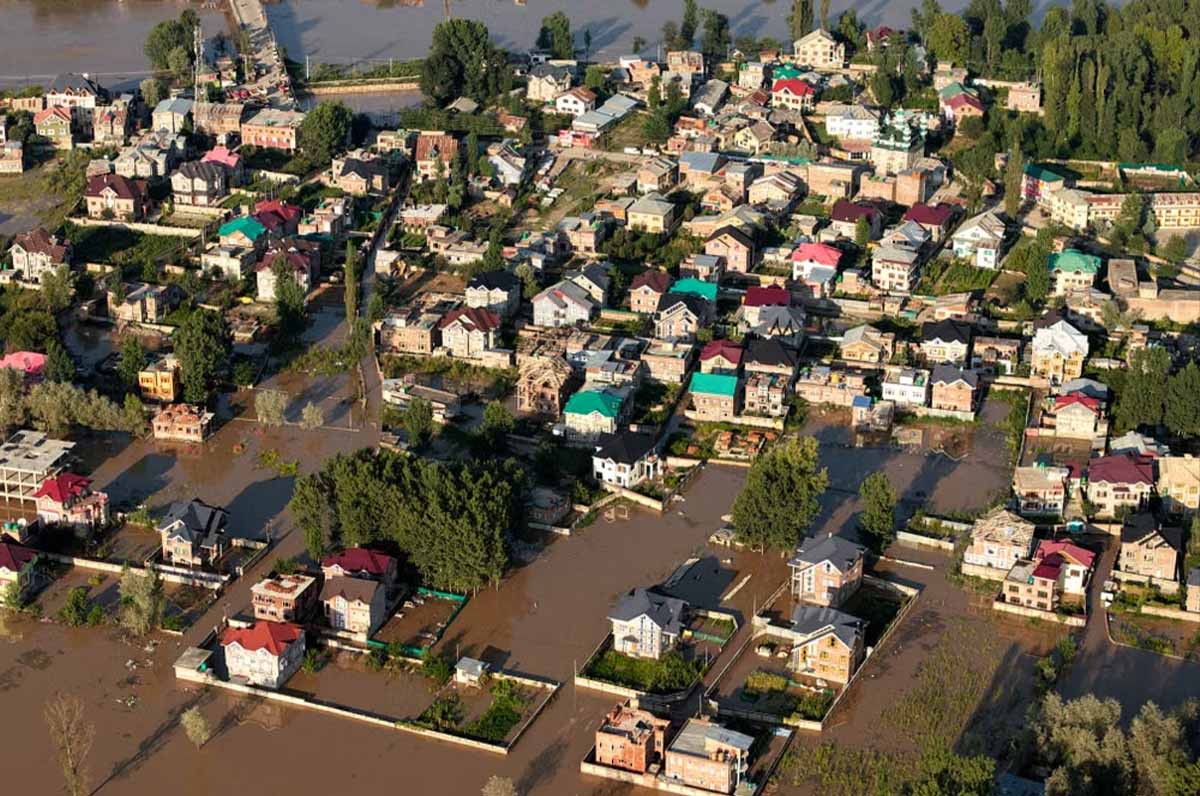
The Caribbean coastal areas are constantly facing the threat of heavy rain, storms, and flooding. When disasters hit, public mobile networks can easily go down due to power outages at base stations or damaged lines, cutting off regular phone communication and creating major obstacles for rescue coordination, evacuations, and supply distribution. Recently, the Honduran Radio Association officially submitted an application, urging the authorities to designate and protect dedicated emergency radio frequencies, building a reliable communication channel for frontline rescue operations during floods.
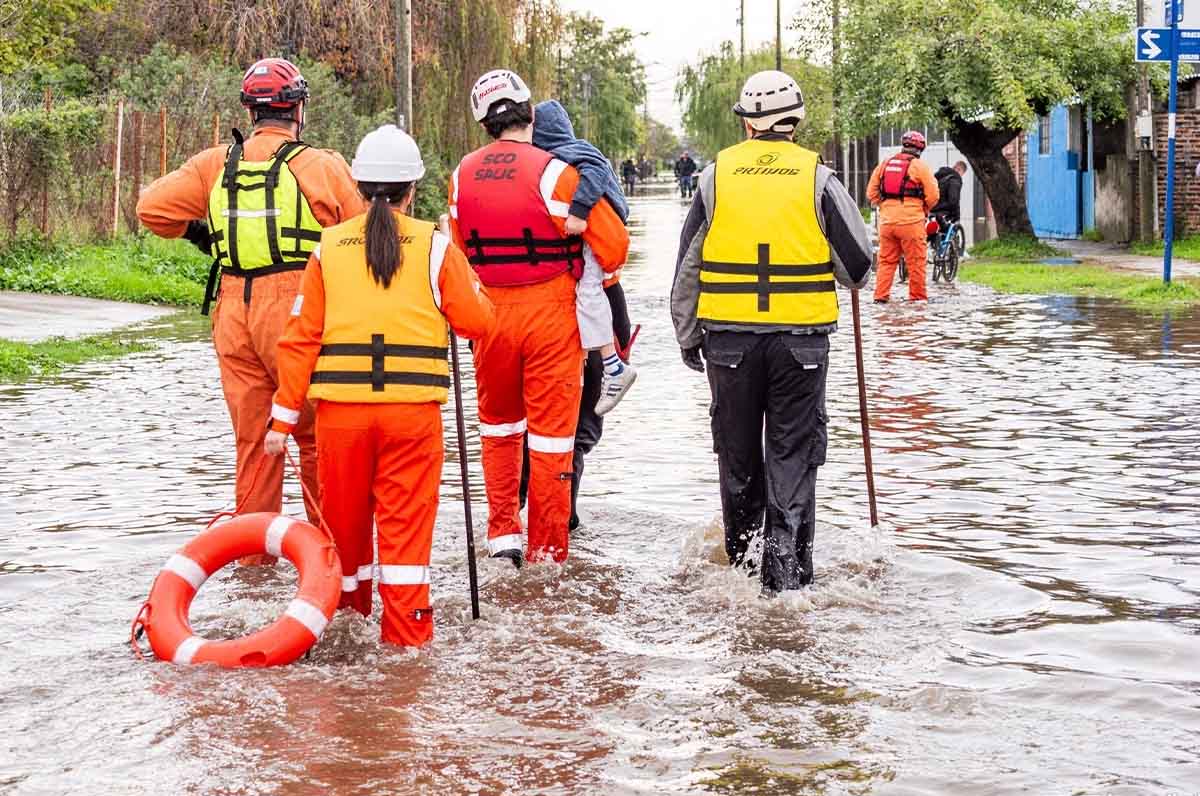
At major disaster sites, public network communications are clearly vulnerable. Flooding, power outages, and damage to base station equipment can quickly lead to no cell signal and network congestion. Radio walkie-talkies, on the other hand, rely on dedicated frequencies for point-to-point and group communication, without depending on telecom infrastructure, making them an irreplaceable means of communication in emergency rescue scenarios. The Honduras Radio Association’s request to protect certain frequencies is based on practical experience from multiple flood rescue operations, aiming to prevent emergency channels from being occupied or signals interfering with each other.
1. Details of emergency communication frequencies for this flood
The Honduran Radio Association stated that the Caribbean coast is low-lying, and floodwaters spread quickly during the rainy season. Rescue operations are often sudden and scattered. Rescue teams will be spread across rivers, residential areas, and low-lying villages, working at multiple points. They need to rely on single call, group call, and all-call dispatch methods to report dangers on-site, relay trapped positions, and communicate evacuation orders. Only by protecting dedicated frequencies can multiple rescue chains operate simultaneously without interfering with each other.
|
Amateur radio band
|
Operating frequency parameters
|
Communication positioning
|
Temporary control requirements
|
|
40-meter shortwave (HF)
|
7143 kHz
|
Long-distance disaster reporting across regions, sharing the overall situation of the disaster area, help requests, and updates on shelter locations. It's suitable for relaying information across cities or even countries.
|
No transmitting on this frequency and nearby bands, just listen and receive emergency messages.
|
|
2-meter VHF local band
|
147.300 MHz (offset 600 kHz)
|
On-site coordination along the coast, allowing local rescue teams, volunteers, and civil defense forces to communicate closely and share updates on personnel rescue and material distribution.
|
Pause casual chats, tests, and competition calls, and prioritize on-site team coordination.
|
After the announcement was issued, a large number of amateur radio communities across the Americas and even worldwide responded actively. Radio clubs everywhere quickly shared the announcement, reminding members to change communication frequencies in time, proactively avoid emergency channels, and collectively maintain communication order in the disaster area. Later updates showed that local rainfall gradually decreased, flood risks eased, affected residents were relocated in an orderly manner, and the temporary restrictions for prioritizing emergency frequencies were lifted, allowing regular amateur communication on those bands to resume.
2. Complementing each other: the emergency roles of shortwave radios and walkie-talkies
From this Honduras flood emergency communication case, it’s clear that shortwave radios and professional walkie-talkies aren’t substitutes for each other but are two interconnected parts of one emergency communication system.
Shortwave HF radios rely on the ionosphere to reflect signals over long distances, making them suitable for reporting the overall disaster situation, requesting help from outside, and synchronizing macro information across regions. But they are relatively complex to operate and communication can be delayed or unstable, so they aren’t ideal for frequent, fast voice coordination among on-site teams.
Meanwhile,
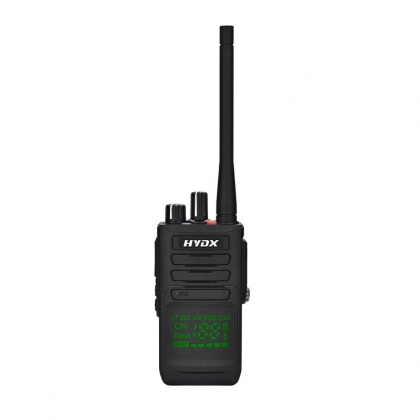
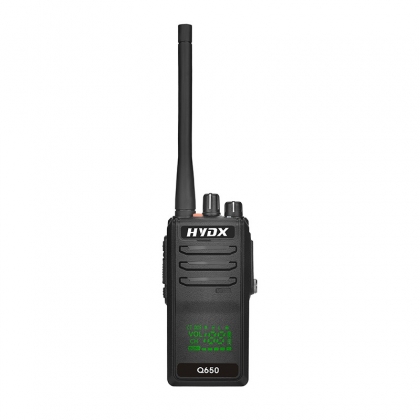
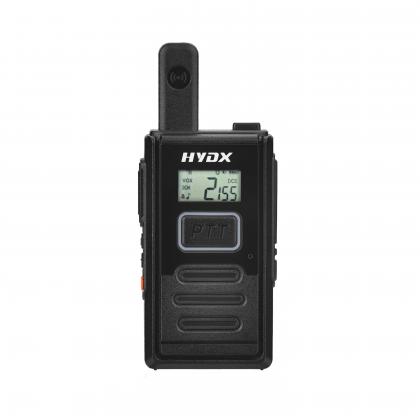
VHF/UHF hand-held walkie-talkies are the primary communication tool for on-site rescue. At the flood frontlines, search-and-rescue teams, supply transport groups, levee patrol personnel, and medical support units rely on walkie-talkies for real-time group communication. They don’t depend on base stations or network operators, and anyone tuned to the same frequency can communicate instantly. They’re easy to use and perfect for fast coordination in emergency situations.
3. What hardcore capabilities does a walkie-talkie need to have in flood scenarios?
The flood scene environment is special, with concentrated risks of water, sediment, persistent noise, and power outages. Ordinary consumer-grade walkie-talkies struggle to stably support rescue operations. Professional walkie-talkies designed for emergency scenarios have clear hardware requirements.
Protection performance is the first threshold. At flood sites, rainwater splashes and mud are everywhere, and the equipment is at constant risk of falling into water or being washed away by mud and water. Professional models with IP65, IP67, and IP68 protection ratings can resist rainwater spray, short-term water immersion, and dust intrusion. The body's sealing ring, independent waterproof rubber plug, waterproof acoustic speaker, and MIC work together to ensure stable operation in humid environments and reduce the risk of water ingress failures.
Clear noise reduction ensures effective command delivery. Flood scenes mix water flow, construction machinery roars, and crowd shouts. Walkie-talkies equipped with noise reduction algorithms and loudspeakers can filter out ineffective environmental noise, ensuring dispatch commands are clear and distinct, avoiding delays in rescue due to inaudible commands.
Stable battery life and flexible power supply. Power grids are often interrupted at disaster sites, so long-term duty and uninterrupted field operations require high power supply capabilities. Professional emergency walkie-talkies support large-capacity batteries and quick replacement of backup batteries; some models are also compatible with external power banks to meet the needs of long-term uninterrupted duty.
Group dispatch and emergency safety functions. For large-scale rescue operations, multiple teams operate simultaneously; search and rescue, logistics, medical, and alert require independent channels. Digital walkie-talkies support flexible grouping, with communication between groups without interference; Managers can initiate single calls, group calls, or full calls as needed, and notify all personnel with one click in case of emergencies. Many models are additionally equipped with GPS location reporting, SOS one-click alarm, and call recording functions. The command center can monitor frontline personnel in real time, quickly issue alarms in case of team members, and audio recordings can serve as important reference for post-rescue reviews.
4. Understanding the Limitations of Walkie-Talkie Communication
The advantage of walkie-talkies is instant dispatching, but they do have their boundaries. VHF and UHF mainly rely on line-of-sight transmission; mountains, tall buildings, and thick fog or standing water can block signals, directly shortening communication range. In large disaster areas with insufficient coverage, repeaters are usually used to extend signal reach, creating a combined approach of 'local walkie-talkie dispatching and long-distance reporting via shortwave.
In disaster rescue, every second counts, and stable, reliable communication is the lifeline of rescue operations. The action of the Honduran Radio Association highlights the radio community and emergency professionals' awareness of proactive risk prevention. In the future, as the concept of emergency communication continues to spread, frequency protection for emergencies, professional rescue walkie-talkie setups, and radio volunteer communication drills will become increasingly important components of disaster prevention and mitigation systems.